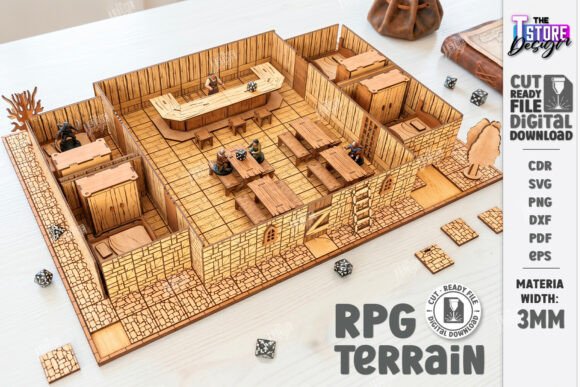
RPG Terrain Laser Cutting for Board Games
As a digital product creator who has spent years navigating the competitive landscape of Etsy, Creative Fabrica, and Shopify, I approach every new asset with a critical eye. The market is saturated with generic clipart and overused templates. When I stumbled upon the RPG Terrain and Miniature Building Laser bundle, my initial thought was not just about the aesthetic appeal, but about its viability as a commercial design tool. This specific collection promises modular pieces for tabletop gaming, specifically targeting the Dungeons and Dragons and wargaming communities. But does it translate well into sellable digital products beyond the immediate niche? Let's break down how this graphic design asset performs in a real-world selling scenario.
First Impressions: Niche Appeal and Visual Personality
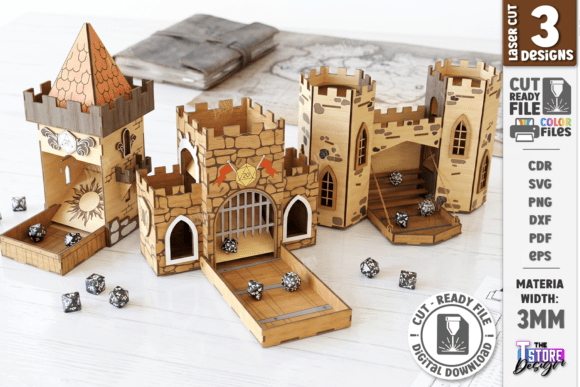
The first thing that strikes you about the RPG Terrain and Miniature Building Laser files is their architectural precision. Unlike many whimsical or cartoonish designs found in standard clipart bundles, these vector files carry a sense of structural integrity. They feel rugged, functional, and immersive. The visual personality is distinctly bold and adventurous, catering to an audience that values detail and realism in their hobby.
For a seller, this mood is a double-edged sword. It is highly effective for a targeted audience of gamers and Dungeon Masters, but it lacks the "cute" or "minimalist" vibe required for general nursery prints or feminine lifestyle branding. If your shop focuses on handmade business aesthetics that lean toward rustic or fantasy themes, this asset fits perfectly. However, if you are trying to sell modern, clean-living planner stickers, this might feel too heavy and complex. The design speaks directly to the passion of tabletop enthusiasts, offering a premium feel that suggests high-quality craftsmanship.
Real-World Applications for Digital Sellers
While the primary intent of these files is for Laser Cutting physical terrain, the versatility of the vector format opens up numerous avenues for digital product creation. Here is how I would test this asset across different product lines before committing to a full listing:
- Printable Wall Art and Posters: The detailed castle and dungeon modules can be rendered as high-resolution PNGs for printable decor. Imagine a "Dungeon Master's Room" poster series featuring exploded views of these structures.
- Sublimation Designs: These graphics work exceptionally well on merchandise like t-shirts, mugs, and tumblers. A t-shirt design featuring a stylized tower from the bundle could be a hit at gaming conventions.
- Cricut Projects and Sticker Packs: For crafters using Cricut or Silhouette machines, the clean lines of the SVG designs allow for intricate die-cutting. You could create layered sticker packs where users assemble their own miniature buildings.
- Canva Templates: Social media managers for game stores or content creators need engaging visuals. Using these assets as background elements for Canva templates creates instant visual hierarchy and thematic consistency.
- Digital Download Bundles: Combine the vector files with complementary textures to create a comprehensive design bundle for other creators looking to build their own 3D plywood projects.
Enhancing Product Presentation and Click-Through Rates
In the crowded creative marketplace, your thumbnail is everything. The RPG Terrain and Miniature Building Laser assets offer a unique opportunity to stand out. Most gaming-related listings use flat, 2D illustrations. By utilizing these architectural vectors, you can create dynamic mockups that suggest depth and dimension.
When creating product mockups, I recommend placing these designs on realistic materials like wood grain or stone textures. This helps potential buyers visualize the final physical product, increasing perceived value. For digital downloads, showing the files in a "before and after" context—showing the raw vector next to a rendered 3D preview—builds customer trust. It demonstrates that the file is not just a pretty picture, but a functional tool for Board Games and wargaming architecture.
Furthermore, using these assets in social media graphics can significantly boost engagement. A carousel post showing how to layer these SVG designs to create a custom diorama tells a story. It moves beyond a simple sales pitch and offers value through education, which is crucial for building brand identity in the small business sector.
Strategic Use Cases: Where It Shines
This graphic design asset works best when given space to breathe. Large product previews on a website or a dedicated section in a digital download store allow the intricate details of the castle walls and dungeon floors to be appreciated. It is ideal for themed bundles where you are selling a complete ecosystem of gaming accessories.
It also excels in decorative layouts for print-on-demand items. Because the designs are modular, they can be repeated to create seamless patterns for fabric, wrapping paper, or packaging design. This repetition creates a strong visual rhythm that appeals to collectors. Additionally, for bloggers writing about tabletop gaming, these images serve as excellent promotional visuals that break up text-heavy articles and keep readers engaged.
Where to Exercise Caution
Despite its strengths, there are scenarios where the RPG Terrain and Miniature Building Laser should be used carefully. The complexity of the architecture means it may not scale down well. Tiny sticker details or small icon sets might lose clarity, resulting in muddy prints or failed cuts on a Cricut machine.
Avoid using these designs in overly complex layouts where they compete with other heavy elements. In a crowded thumbnail, the fine lines of the vector files can get lost, reducing click-through potential. Similarly, dark backgrounds can sometimes obscure the lighter lines of the white vector paths, so always test contrast levels. If you are creating text-heavy templates, such as rulebooks or character sheets, ensure the background imagery is subtle enough not to interfere with readability.
Most importantly, for any project requiring precise cutting lines, inspect the SVG quality closely. Ensure there are no stray nodes or open paths that could confuse a laser cutter. Clean cutting lines are non-negotiable for a professional finish.
Practical Seller Notes and Final Checklist
Before publishing your listing, run through this practical checklist to ensure your product meets professional standards:
- Test on Real Mockups: Never rely solely on digital previews. Print a sample or render a high-fidelity mockup to see how the design translates to the physical world.
- Verify File Formats: Confirm that both PNG (for transparency) and SVG (for editing) files are included and error-free.
- Check Resolution: Ensure all raster images provided are at least 300 DPI for print-on-demand applications.
- Font Pairing: When adding text to these designs, pair them with strong serif fonts or display fonts that match the medieval or fantasy theme. Avoid delicate script fonts that clash with the rugged architecture.
- Organize Files Clearly: Customers appreciate organization. Label your folders logically (e.g., "Castle_Walls," "Dungeon_Floors") to enhance the user experience.
- Confirm Licensing: Double-check the commercial license terms. Ensure you have the right to sell finished products created with these assets and understand any restrictions on reselling the raw files.
In conclusion, the RPG Terrain and Miniature Building Laser bundle is a powerful tool for the right seller. It offers a level of detail and utility that generic clipart cannot match. By understanding its strengths in the Board Games niche and applying it strategically to digital products, you can create a compelling collection that resonates with passionate hobbyists. Whether you are launching a new line of sublimation mugs or a premium digital download for laser cutters, this asset provides the foundation for a professional, high-value offering.